The hybrid prime mover for every locomotive.
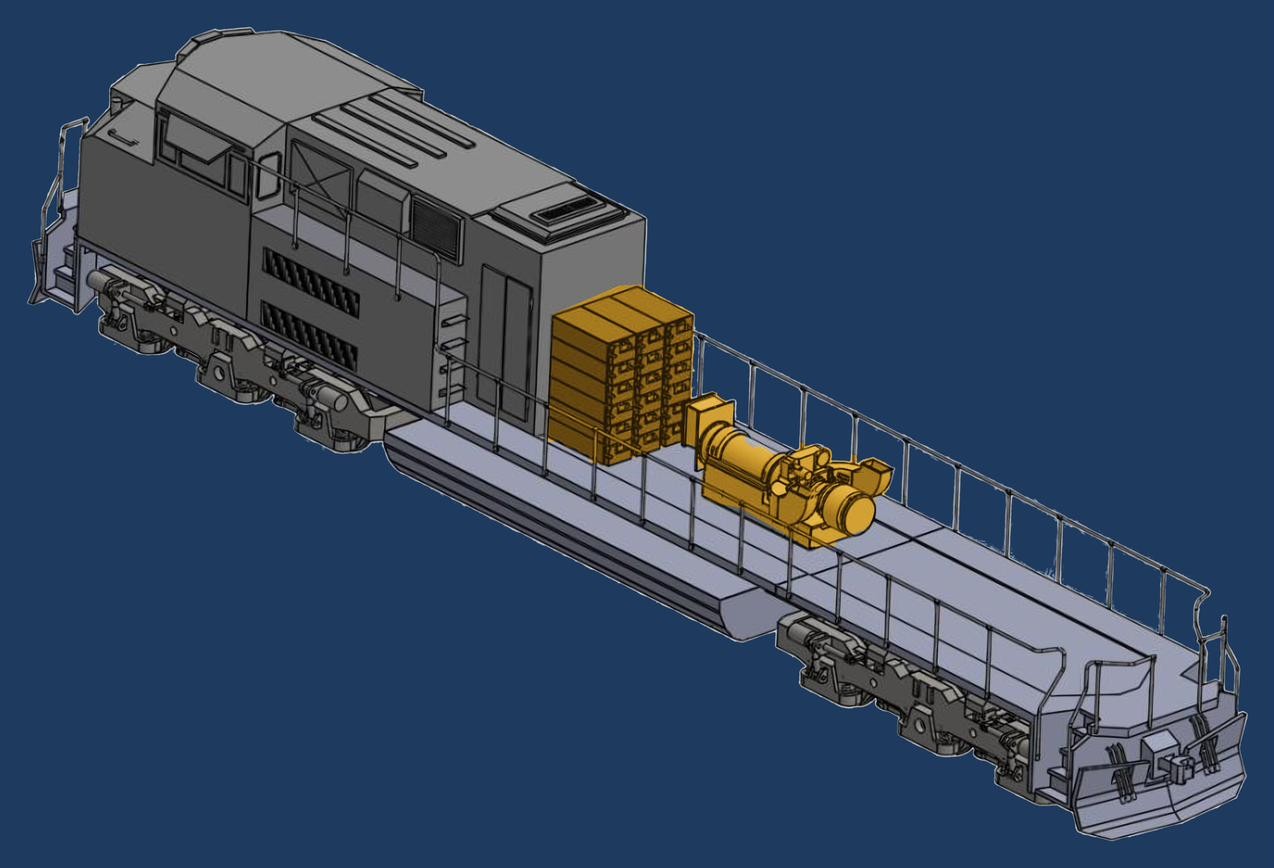
An LNG gas turbine and storage batteries replace the diesel engine. Same frame, trucks and traction motors.
- Direct-coupled PM generator, no gearbox
- Runs only at its best-efficiency point
- Absorb every notch change
- Capture regenerative braking energy
- Lower fuel cost vs. diesel
- Tier 4 NOx, no urea or exhaust filters
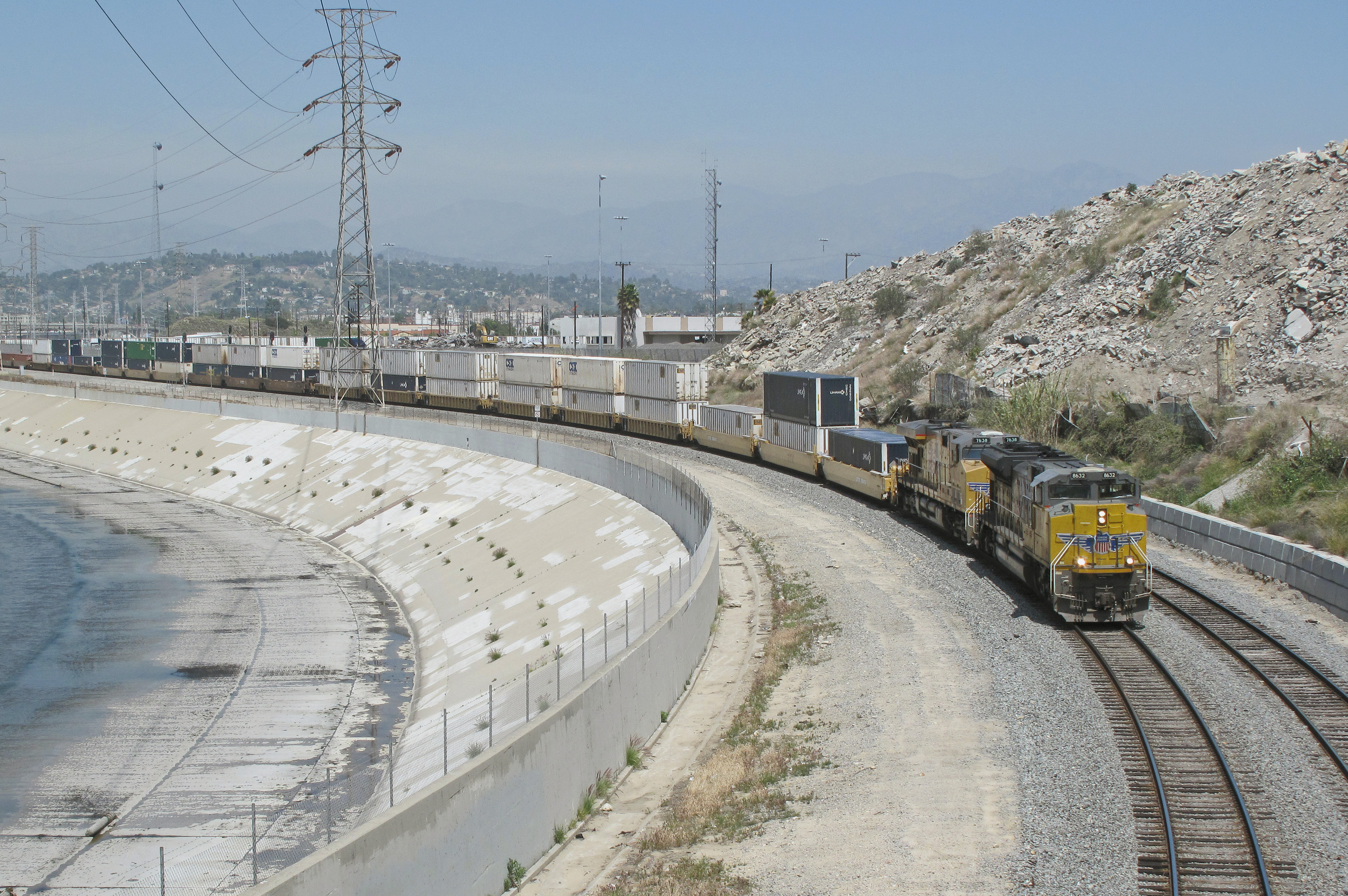
Rail has the Edge,
but it’s losing Market Share.
Rail wins on efficiency but loses on share.
- Trucks move more than twice the freight Rail does, even though Rail is about four times more fuel-efficient.
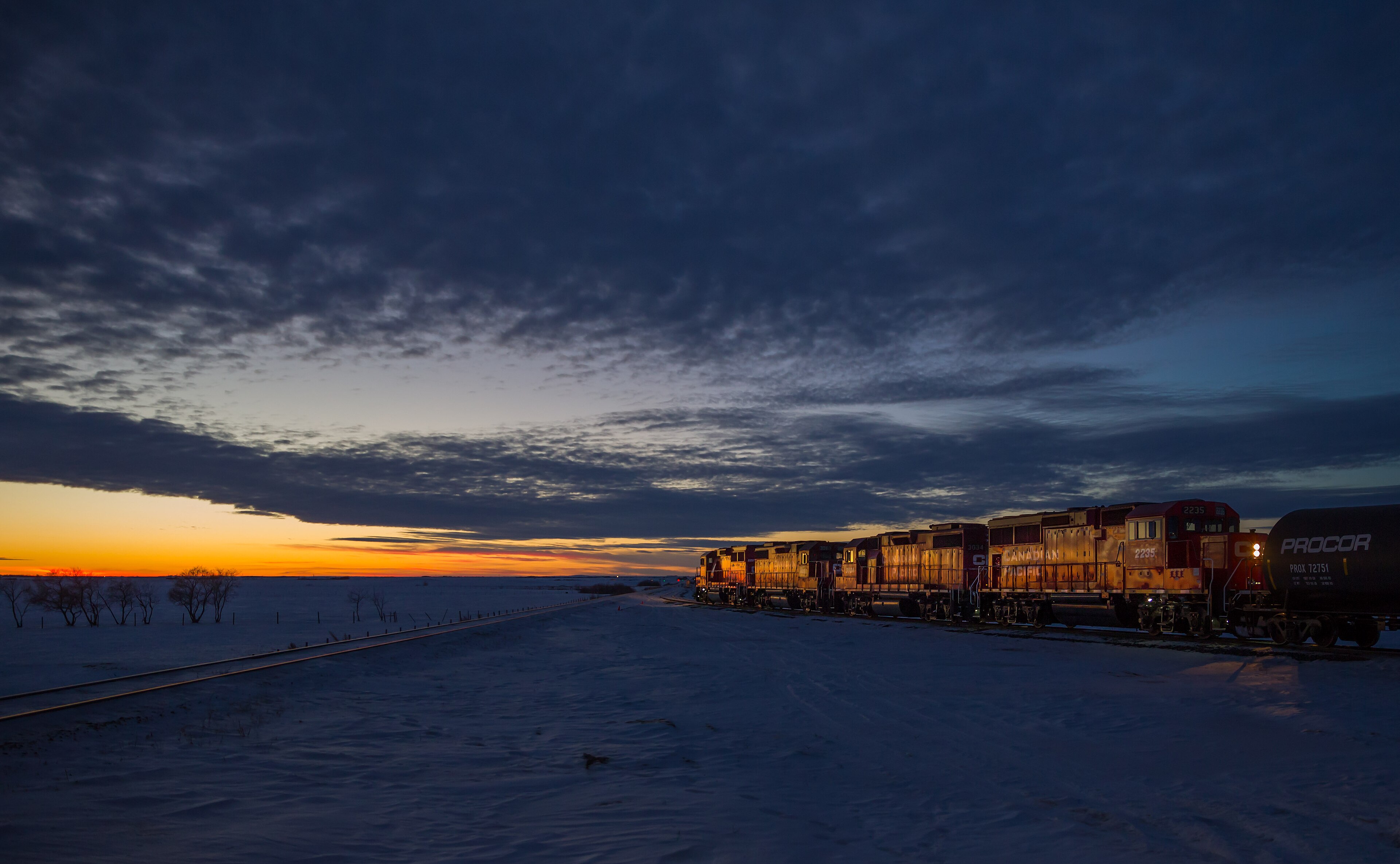
- The average North American locomotive is 27 years old, the oldest the fleet has ever been.
- Railroads are buying far fewer new locomotives than they used to. Most are rebuilding 1980s and 2000s diesels instead.
- To get share back from Trucking by lowering fuel costs.
- Most of the fleet is below today’s EPA emissions standards, and nearly all short-line units are Tier 2 or older.
- California (and other states will follow) will require half of locomotives to be Tier 4 by 2030, and all of them by 2035.
LNG turbine · PMG · storage batteries.
Click a row or a marker to see what comes out, what goes in and what stays.
| SYSTEM | COMES OUT | GOES IN | STAYS |
|---|
Turbine to traction.
Take the guided tour, or switch to Drive and run notch 0–8 yourself.
NexGen Rail Solution: LNG Turbine-Generator-Battery Power Kernel

- 3.3 MWe gas turbine, direct-coupled to a permanent-magnet generator. No gearbox.
- AC out of the generator, rectified onto a DC traction bus.
- The whole kernel fits in about 11 × 5.3 × 4 ft.
- Takes every notch change, so the turbine never idles or throttles.
- Works between 30% and 90% charge to protect battery life.
- Soaks up braking energy and gives it back on the next climb or start.
Cut the fuel bill.
Keep the locomotive.
- About 3 years on Class I mainline duty, where locomotives burn the most fuel.
- About 8 years for short lines, which run fewer miles.
- No new right-of-way, overhead wire or new locomotive purchase.
- About 29% less CO₂ for the same energy, because natural gas carries less carbon than diesel.
- Tier 4 NOx without urea or exhaust filters to buy, fill or maintain.
- Ready for California’s 2030 and 2035 locomotive rules.
Pilot to production.
To the railroads that move North America.
You already run the most efficient way to move freight over land. A train carries a ton of freight about four times farther on a gallon of fuel than a truck. That advantage is real, and it belongs to you.
The locomotives delivering it, though, are the oldest they have ever been. And the options in front of you have barely changed in forty years: keep overhauling aging diesel engines, or buy new diesel locomotives.
We are building a third option: a hybrid prime mover. NexGen replaces the diesel engine and keeps everything else: the frame, the trucks, the traction motors and the crews who know them.
The hybrid pairs two technologies. An LNG gas turbine with a direct-coupled permanent-magnet generator makes the Power, and it runs only at its most efficient point. Battery storage handles everything else: it absorbs every notch change, so the turbine never idles or throttles, and it supplies Power when the train needs a surge.
And when the train slows, the energy is not wasted. Regenerative braking sends it back into the batteries instead of burning it off as heat in the dynamic-brake grids, ready for the next climb or start.
Together, cheaper fuel, best-efficiency running and recovered braking energy deliver roughly 40% lower fuel cost and Tier-4-class NOx without urea or exhaust filters, on locomotives already on your roster. Every point of fuel cost you take out widens Rail’s lead over trucking, and that lead is how Rail wins freight back.
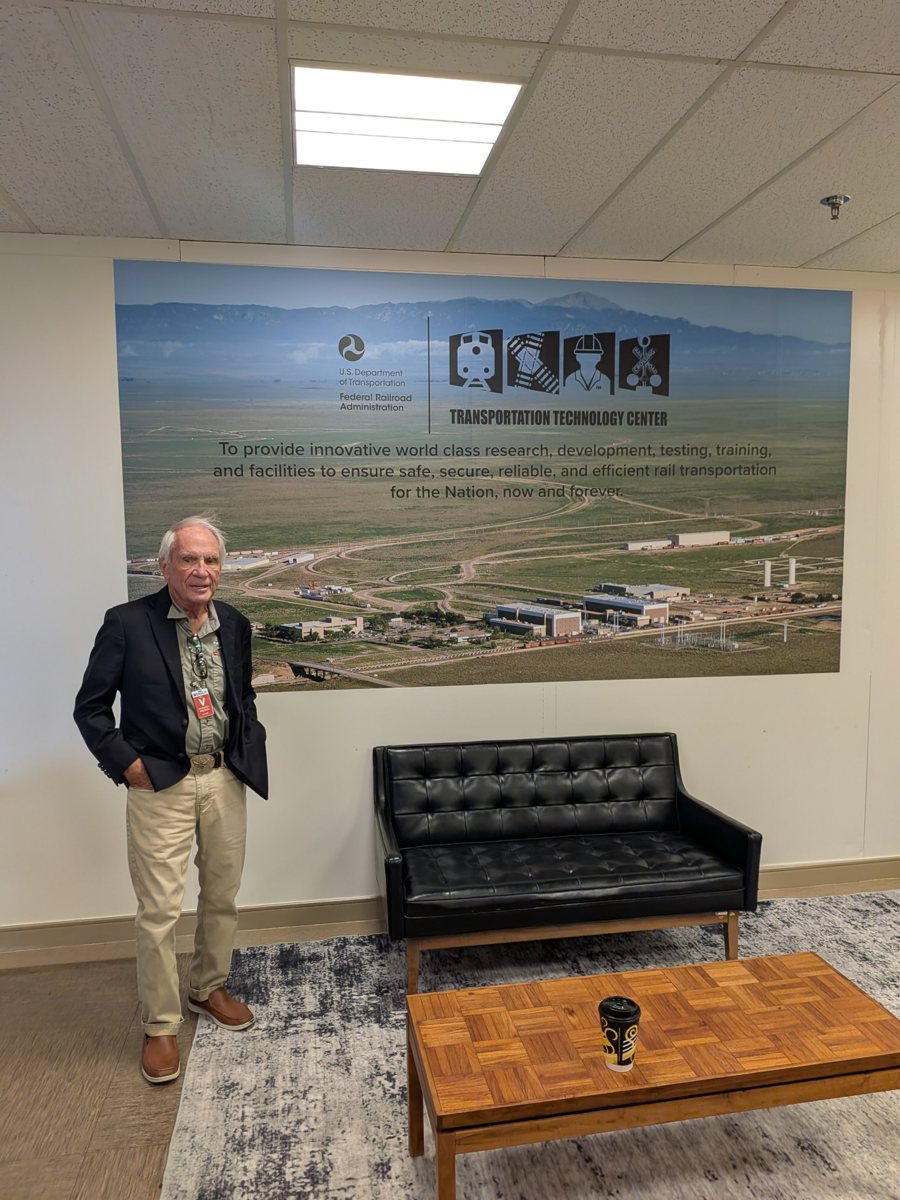
Our first unit goes to instrumented track testing at TTC Pueblo in October 2027. We are now choosing launch partners to prove it on real routes, real loads and real fueling plans. Tell us about your railroad, and we will show you what the numbers look like on it.